
“Should Be Fine.”
A case study on a tool for collecting information from outside organizations, starting from a venue's answer of 'should be fine.' The product keeps what's known, what's claimed and what's missing visibly separate, because confident but unchecked answers caused real costs.
Evidence Intake · 5 min read
The reply said, "Should be fine."
It was an answer to a simple question. A touring act had sent a venue a document describing what they were bringing, and the person on the other end had been asked whether the place could handle it. A hundred other people had written the same three words in other emails to other coordinators. The coordinator had learned to read it for what it was: a probabilistic yes, offered by someone who hadn't checked.
Nobody had lied. The coordinator would plan a day around that sentence, and about a third of the time it would turn out to be wrong in a way that cost real money, discovered on arrival, when the options were all bad.
That sentence is the problem I spent the past year on. The product, which started as a tool I built for myself, is a way to collect information from people outside your organization and know which parts of it you can trust.
The reframe
The obvious product was a better form. Venues would fill in structured fields, and a database would replace the email thread. I built a version of that first. Venues ignored it, or filled it in with the same optimism they'd put in the email: answers that were confident, complete-looking and unchecked.
The better question turned out to be a different one. How would you know which answers were real? The failure wasn't missing data. It was data with no provenance. A "yes" from someone who had measured the loading dock and a "yes" from someone who was being polite looked identical in every system I'd seen.
So the product I built isn't mostly about collection. It's about keeping three things visibly separate: what's known, what's claimed, and what's missing.
What I built first, and what it taught me
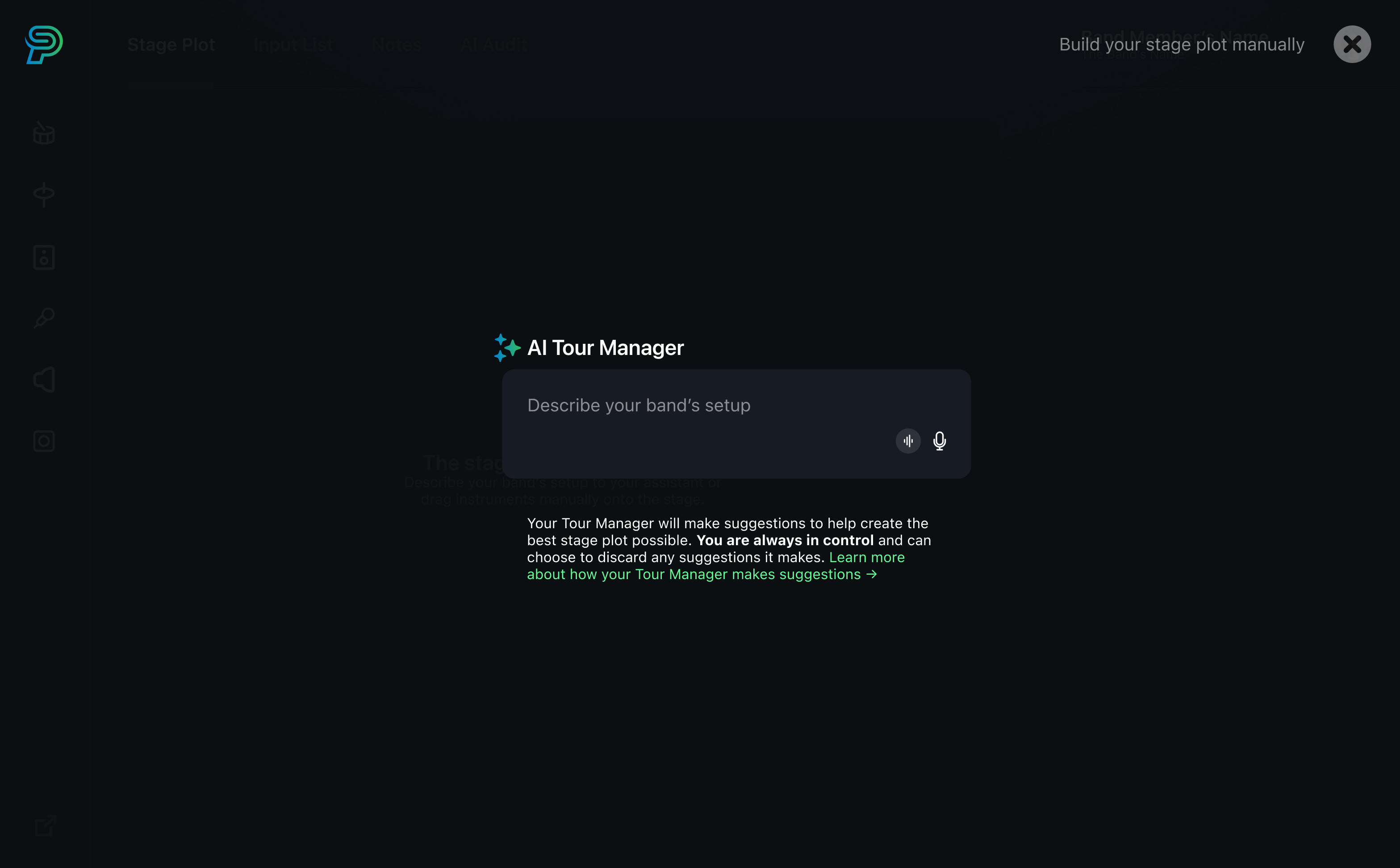
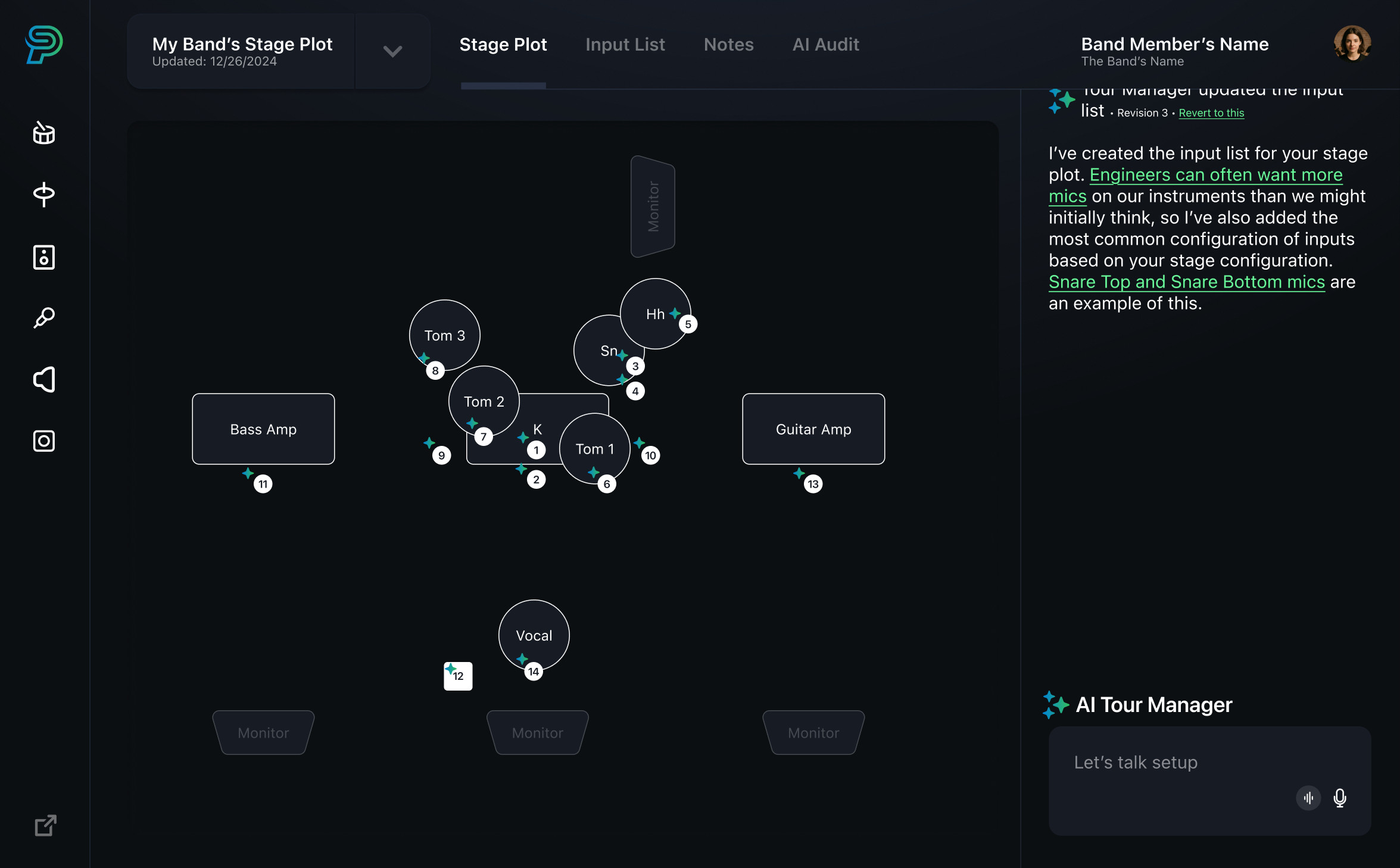
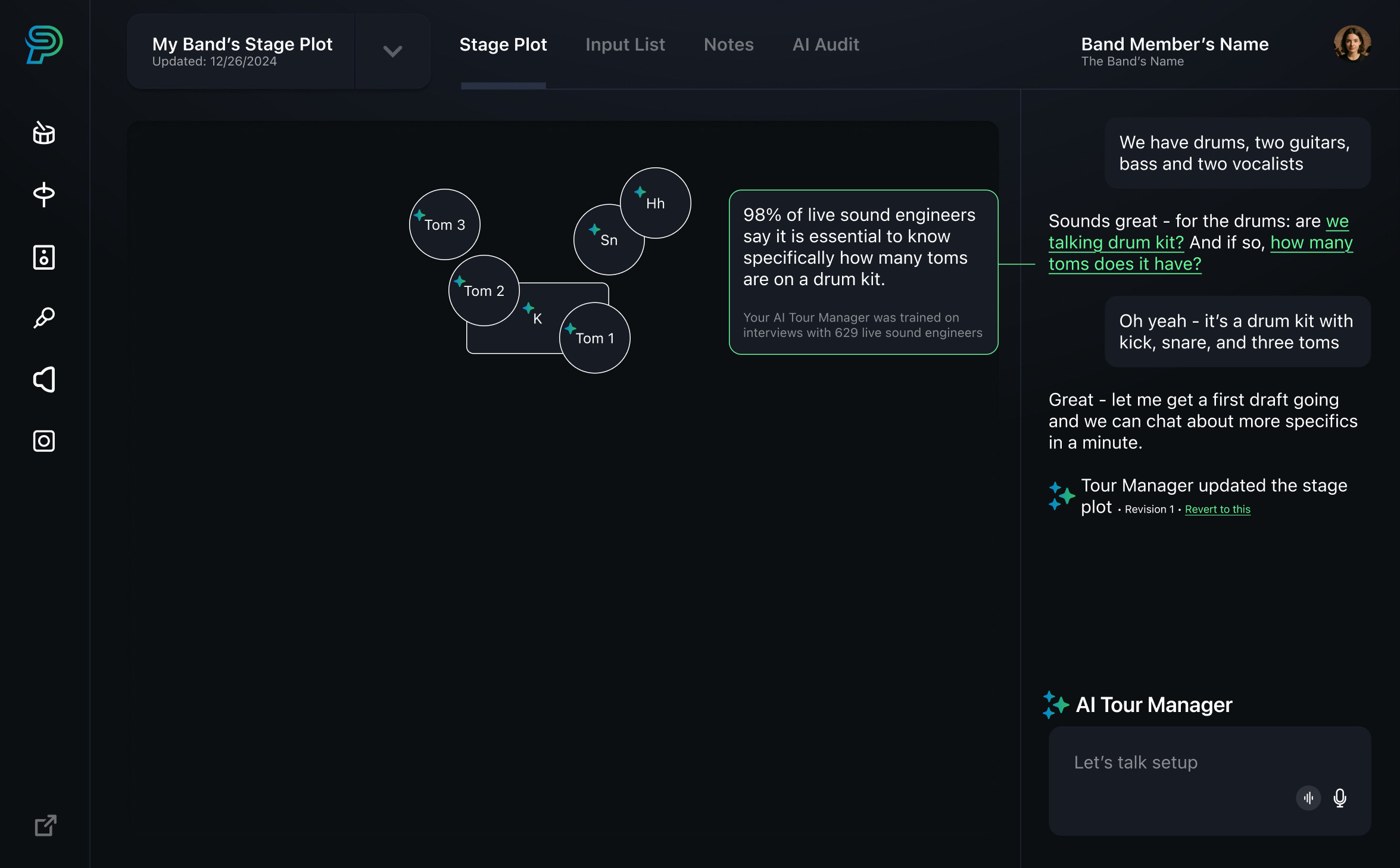
In June 2025 I built a working prototype in about three weeks, using an agentic coding tool and a lot of my own opinions about what to leave out. It took the document a venue was sent and the free-form reply that came back, and used a language model to propose structured answers: here is what they seem to be saying about power, about load-in, about space.
The first version taught me what I should have guessed. The model filled in a field I'd never have filled in myself. A venue's email said nothing about a particular constraint, and the model, wanting to be helpful, inferred one from a similar venue and wrote it in with complete confidence. The output was clean and polished and wrong. It looked exactly like the answers it had gotten right.
That changed the design more than any user session. I made three rules.
First, "unknown" is an answer. It's a first-class state, as visible and as clean as "yes," not an empty box waiting for someone to fix it. A coordinator should be able to scan a plan and see at once what isn't known.
Second, every suggested value shows where it came from: the line in the email, the page of the document, the person who said it. If the model can't point to a source, the value doesn't appear. An answer without a source isn't a weaker answer. It's a different kind of thing, and the interface should say so.
Third, the AI never marks a field complete. It proposes. A person confirms, and the product records who and when. This is the rule I'm most certain about, and the one people most often ask me to relax. I haven't, because the moment software can mark its own work finished, the whole record becomes a statement about the model's confidence, not about what's true.
The prototype
Review states
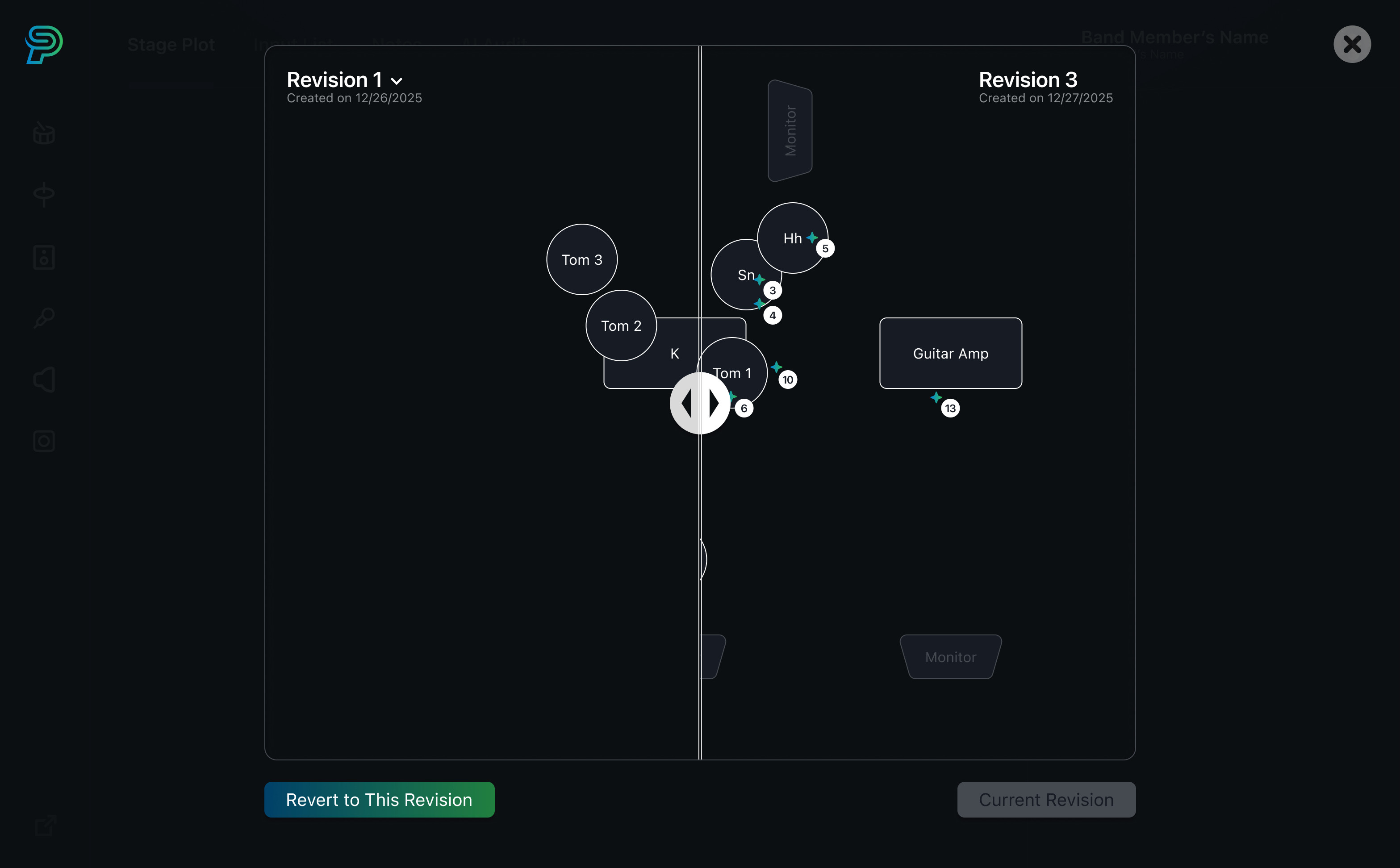
A plan in the product moves through states that a coordinator can read at a glance: proposed, confirmed, disputed, stale. Stale mattered more than I expected. An answer that was true in March might not be true in October, and nothing in an email thread tells you that. The product marks old answers as old and asks.
There's an audit trail, too. Every change is kept, with its source and its author. I added it for a practical reason, because a coordinator had asked me who had told them about the loading dock, and I couldn't answer. It turned out to be the feature people mention first. Anyone who has been wrong on someone else's behalf wants to be able to show how they came to believe a thing.
The pilot
From October to December I ran a pilot with twenty venues. I won't oversell the setup: it was small, the venues were ones I had relationships with, and the coordinators knew they were testing something. Even so, a few results held up.
In 65% of cases the plan was accepted by the venue on the first pass, meaning the venue read it, confirmed it and didn't come back with corrections. Coordinators told me the preparation that used to take them a morning was shorter, by about fifteen minutes on a typical plan, mostly because they stopped chasing venues for details the document already contained. The number I cared about more was a smaller one: the plans that had a lot of "unknown" markers on them got more questions from venues early, which is what you want, and fewer surprises on arrival.
What I changed in the overhaul
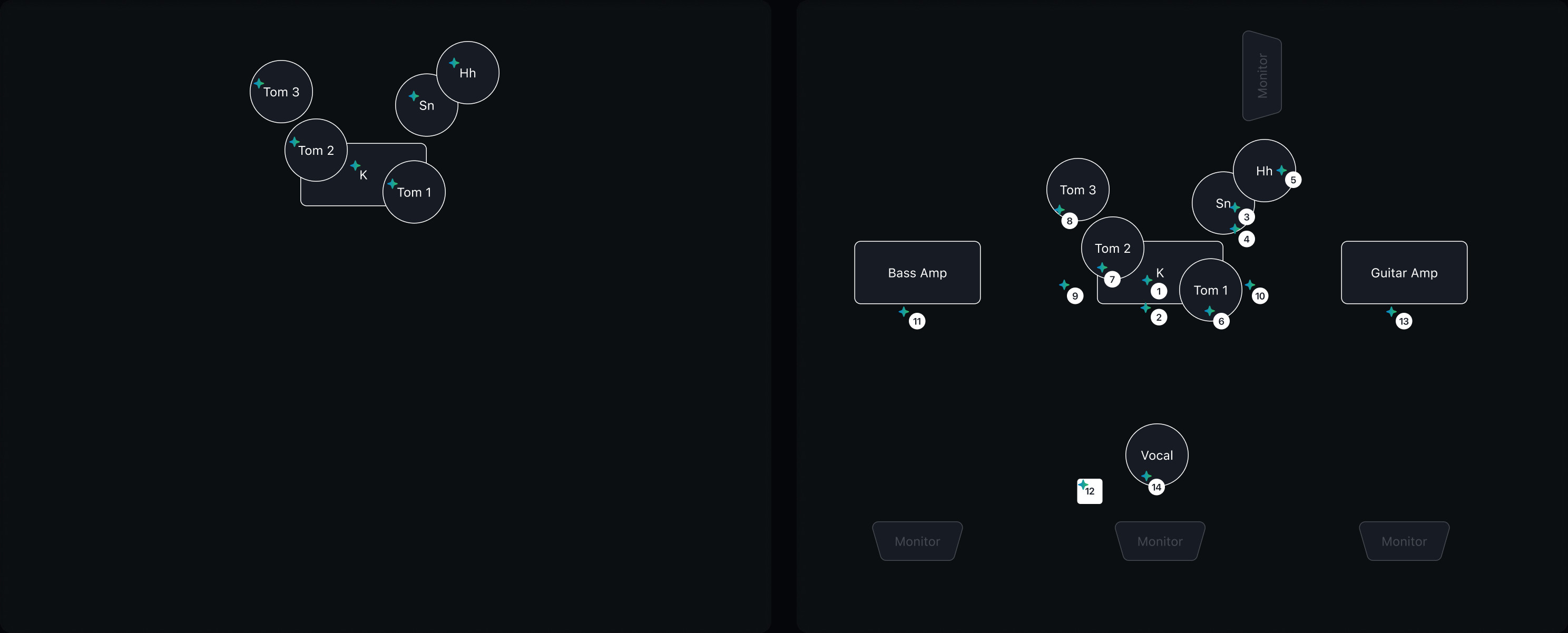
In the first quarter of 2026 I rebuilt it, because the pilot had shown me what the first version got wrong. I had treated confirmation as a single act. People wanted to confirm part of an answer and leave part open: yes on power, not yet on timing. I redesigned the confirmation flow around that. I also made the unknown state quieter. In the first version it was a red flag, and coordinators began treating a plan with any red as a failure. The second version treated unknown as a normal condition, which it is, and the anxiety went down.
What this is for
I've described this using one kind of document, since it's the one I built it around. The same problem shows up everywhere that work depends on information from people you don't control: audits, vendor onboarding, compliance checks, anything where the question isn't what someone says but how much weight it can bear. In every one of those, the answer you can't source is the most dangerous kind, because it looks like all the others.
The lesson I took, and the one that's changed how I design anything with a model in it, is that the interface has to carry the model's uncertainty. Models are good at sounding sure. A product that passes that along without friction is lying on the model's behalf. A product that makes the doubt visible, and puts a human in front of the decision, is slower and a lot more useful.
What I'd do differently
I'd have run the pilot with venues I didn't know. Mine were kind to me, and I think kindness inflated the acceptance rate. I'd also have put the audit trail in the first build. I added it late, and it should have been there from the start.
I still read "should be fine" differently than I used to. It's information. The job of the product is to say what kind.